Research in the Division of Sleep Medicine
Research Labs
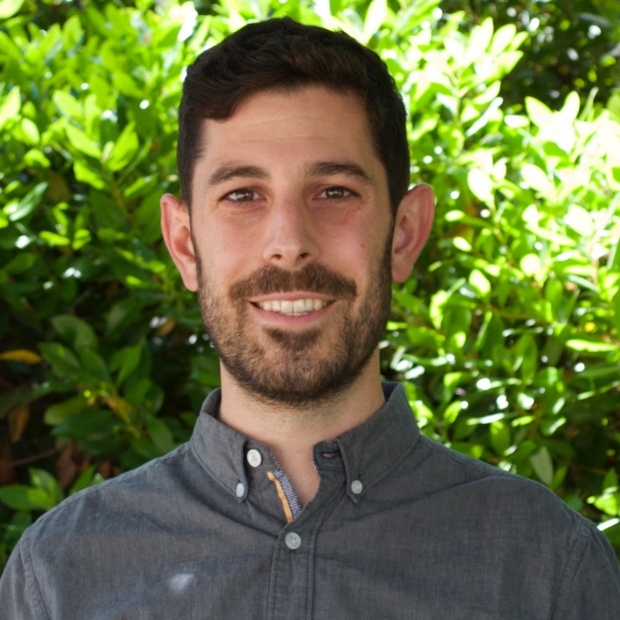
The Giardino Laboratory
The Giardino Lab, led by Dr. William Giardino, aims to discover the neural mechanisms underlying psychiatric conditions of anxiety, addiction, and sleep disturbances. Their team uses advanced technologies to precisely map, monitor, and manipulate the emotional brain circuits that drive motivated behaviors, with the primary goal of identifying novel therapeutic approaches for treating mental health challenges.
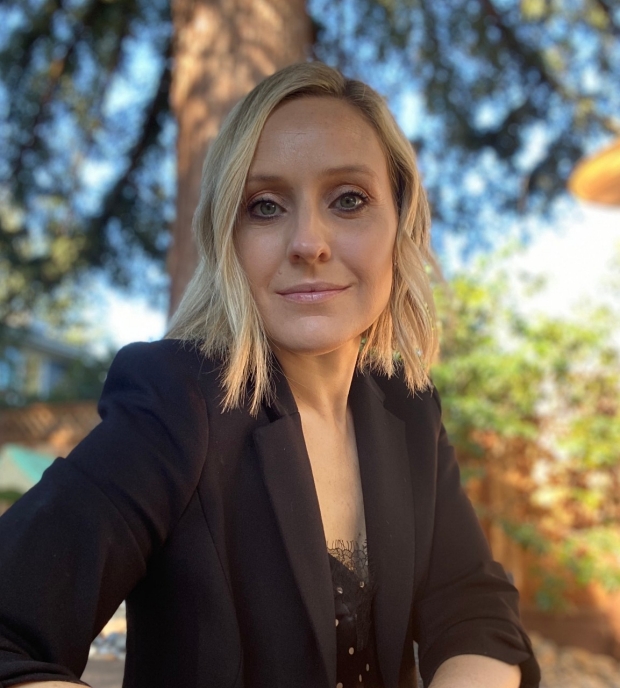
Erin Gibson Lab
How do glia sculpt neural circuits and how does dysregulation of glia contribute to disease? Glia make up more than half of the cells in the human brain, but we are just beginning to understand the complex and multifactorial role glia play in health and disease. Glia are decidedly dynamic in form and function. Understanding the mechanisms underlying the dynamic nature of glia is imperative to developing novel therapeutic strategies for diseases of the nervous system that involve aberrant gliogenesis.
The Gibson Lab studies the cellular and molecular mechanisms modulating glia. One molecular mechanism that affords cells a dynamical nature is the circadian clock. While much is known about how the circadian clock influences neurons and peripheral cells throughout the body, little is known about how this core molecular mechanism regulates glia. We study how the circadian clock system regulates glial function to better understand diseases of the nervous system in which both circadian/sleep and glial dysfunction are prominent, such as autism, multiple sclerosis, and chemotherapy-related cognitive impairment.
Seiji Nishino Lab
Our research focuses on understanding the etiology and pathophysiology of human sleep and circadian disorders using various animal models. We are especially interested in hypersomnia with various etiology. We also research and develop new sleep sensing technologies for humans and animals.
Jamie Zeitzer Lab
Dr. Zeitzer studies the development of human centric lighting as a countermeasure to the ills of the 24-hour society, and the biological underpinnings of sleep quality -- in essence, why we sleep.
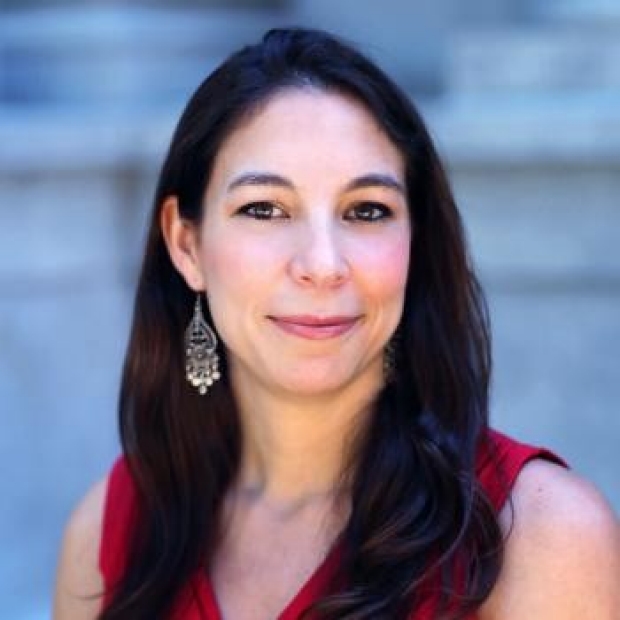
Computational Psychiatry, Neuroimaging, and Sleep Lab
The CoPsyN Sleep lab, led by Dr. Andrea Goldstein-Piekarski, utilizes human neuroimaging, high density EEG, computational methods, and clinical psychology to examine the role of sleep physiology in the development, maintenance, and treatment of psychopathology across the lifespan. A primary goal of this research is to identify novel sleep and neuroimaging related biomarkers of treatment response that could be used to better match patients to effective treatments.
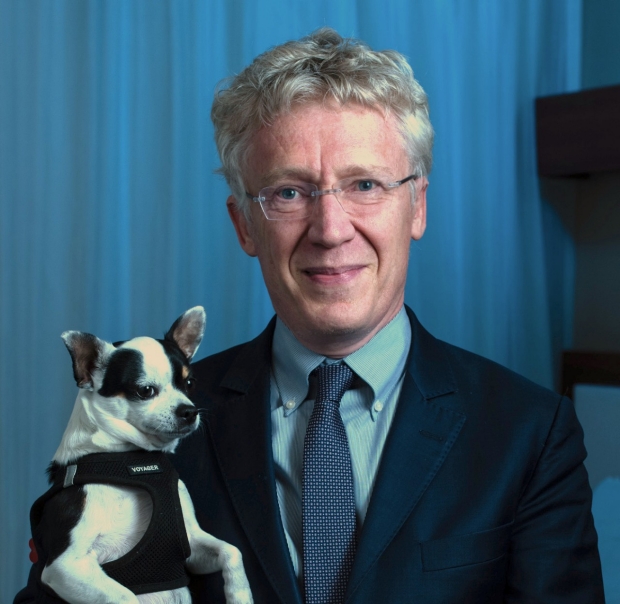
Emmanuel Mignot Lab
The Mignot lab uses proteomics and genetics to further the understanding of human sleep and sleep disorders, notably narcolepsy. In one part of the lab, we are focusing on the generation and analysis of data generated from a study called the Stanford Technology Analytics and Genomics of Sleep (STAGES). In the STAGES study we are collecting actigraphy, 3D facial morphometry, neurocognitive testing, subjective sleep questionnaire data and objective sleep EEG studies in 30,000 participants together with genetic and protein biomarker data. Analyses involve classic statistics and machine learning of polysomnography, clinical and biological data.
In the second part of the lab, we are focusing on more targeted clinical, pathophysiological and genetic studies of sleep disorders involving excessive daytime sleepiness, such as narcolepsy, hypersomnia and Kleine Levin syndrome. Narcolepsy studies in particular are the most advanced and are focusing on the autoimmune basis of type 1 narcolepsy through the study of T cell biology.
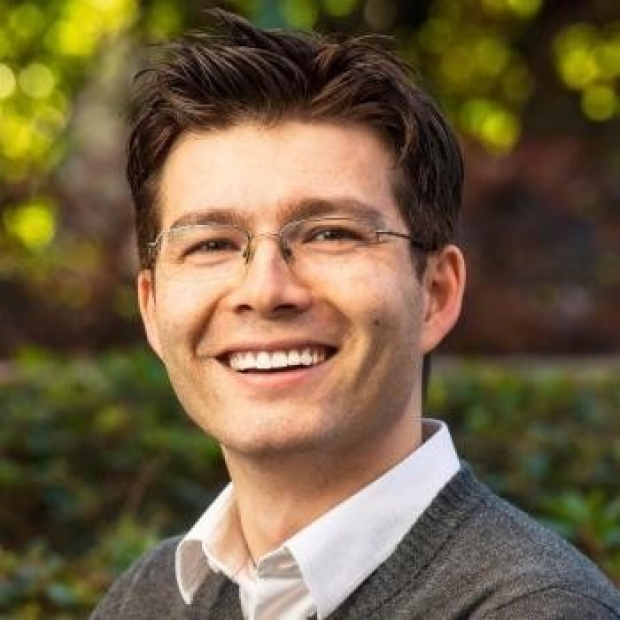
Sergiu Pasca Lab
The Pasca lab is interested in understanding the molecular and cellular mechanisms of neuropsychiatric disorders. We are using pluripotent stem cells (iPS cells) derived non-invasively from patients to generate in a dish specific regions of the human brain in a functional 3D structures known as organoids or assembloids, and employ live imaging, electrophysiology and other state-of-the-art technologies to identify disease phenotypes.
Researchers
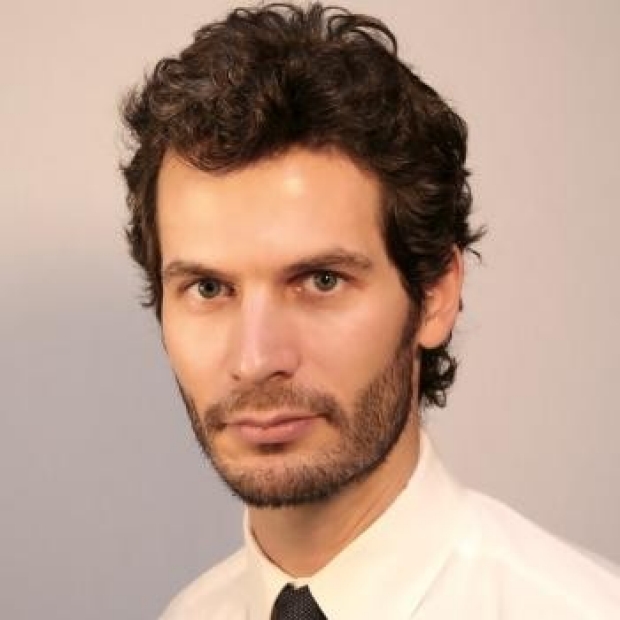
Dr. Emmanuel During
Dr. During is conducting research on REM sleep behavior disorder (RBD), a condition that precedes Parkinson’s disease by several years and leads to abnormal dream-enactment during REM. He is the PI of a trial investigating a new drug in treatment-refractory RBD (NCT04006925), and serves as site PI for a NIH grant supporting a nation-wide consortium, the North American Prodromal Synucleinopathy Consortium (NAPS), laying the groundwork for a first neuroprotective trial in RBD. His most recent research interest pertains to wearable devices that can potentially monitor RBD activity in patients home environment and facilitate early diagnosis.

Dr. Clete Kushida
The Stanford Center for Human Sleep Research conducts clinical trials that improve ways to treat and manage sleep disorders. These studies aim to increase the safety and effectiveness of current and novel applications of sleep medicine, and to improve the quality of life of the greater populations of individuals with sleep disorders.
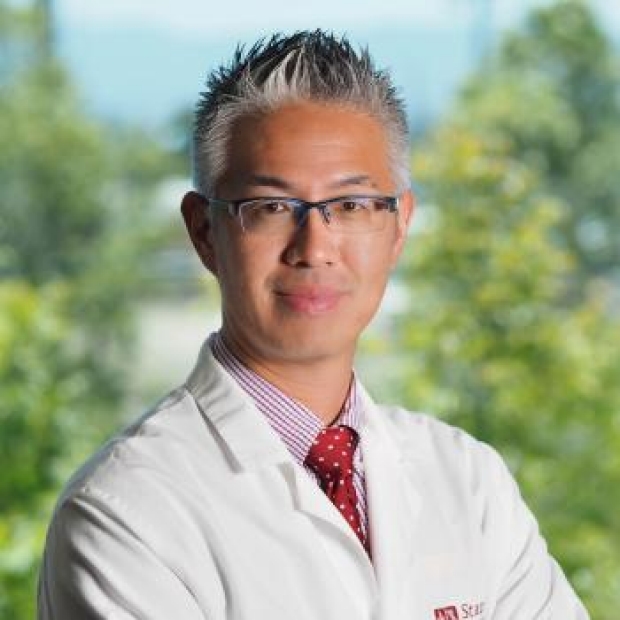
Dr. Makoto Kawai
Dr. Kawai is a physician scientist in the field of sleep medicine in aging and brain function. Using combined polysomnogram and novel neuroimaging technology, he aims to identify potential sleep biomarkers to investigate the mechanism of progression from normal aging to Mild Cognitive Impairment (MCI) or dementia. Additionally, he investigates the impact of sleep on cognitive/affective function or behavior abnormality in various neurodevelopmental and neurodegenerative disorders.
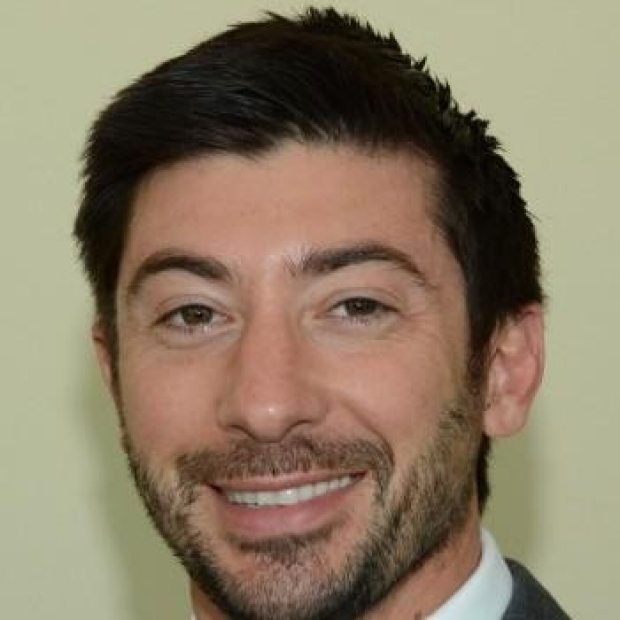
Dr. Mitchell Miglis
Dr. Miglis is a member of the International REM sleep behavior disorder (RBD) study group and is currently the Principal Investigator of an international NIH funded trial evaluating the risk of neurodegenerative disease in patients with RBD and autonomic failure. He is also lead investigator of a study evaluating the presence of autonomic dysfunction in Idiopathic Hypersomnia and the presence of sleep and autonomic disorders in patients with Ehlers-Danlos syndrome.